- New Homeowner Septic Education

New Homeowner? Learn How to Protect Your Septic System.
Many homes in Benzie and Leelanau counties rely on private septic systems rather than municipal sewer systems. If you are a new homeowner or planning to purchase a home with a septic system, it is important to understand how these systems work and how to maintain them.
A properly maintained septic system protects your home, your drinking water, and the lakes and rivers that make Northern Michigan unique. This website provides practical guidance on septic systems, inspections, maintenance, and local regulations specific to our region.
Most homes in rural Northern Michigan rely on private septic systems to treat household wastewater. Because there is no statewide septic code in Michigan, regulations are handled locally by county health departments. For homeowners in Benzie and Leelanau counties, septic system regulations and inspections are managed by the Benzie-Leelanau District Health Department, which oversees septic permits, system installations, and environmental health programs.
Septic system maintenance is especially important in this region because untreated wastewater can pollute groundwater, streams, and lakes, potentially affecting beaches, wildlife, and drinking water sources.

Locate the your Septic System
If you are buying or selling a home in Benzie or Leelanau County with a septic system, a Time of Transfer (TOT) evaluation is required before the property sale can be finalized.
This evaluation ensures that the septic system and water well are functioning properly and are not posing a risk to public health or the environment. The process may take several weeks to complete, so it is important to plan ahead when scheduling inspections..png)
During the inspection, a professional may:
These inspections help identify potential problems before a property changes ownership, protecting both the buyer and the surrounding environment.
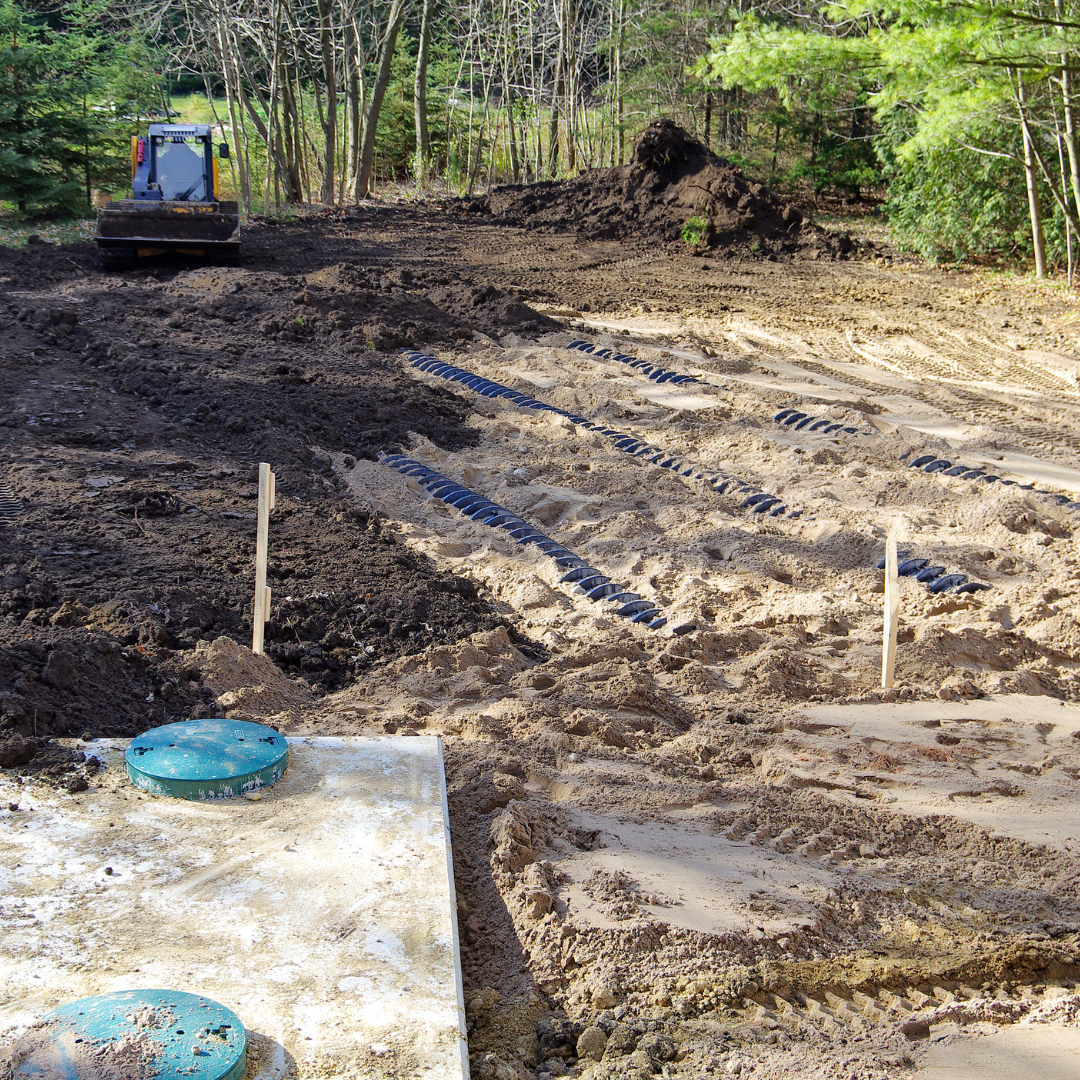
A septic system treats wastewater from your home using two primary components:
Wastewater from sinks, toilets, and showers flows into the septic tank, where solids settle and begin to break down. The remaining liquid then moves into the drainfield where the surrounding soil naturally filters and treats the water before it returns to the groundwater system.
In rural areas without municipal wastewater infrastructure, this natural treatment process is essential for maintaining water quality.
With proper care, septic systems in Northern Michigan typically last around 30 years, although some may last longer depending on soil conditions, system design, and maintenance.
Regular maintenance is essential to prevent system failure and expensive repairs.
Inspection and PumpingHomeowners should have their septic systems inspected approximately every three years, with tank pumping typically recommended every three to five years depending on household size and water use.
Routine inspections help identify issues early and protect the drainfield from damage.
Warning Signs of Septic Problems
Even well-maintained systems can develop issues. Recognizing early warning signs can help homeowners address problems before they become severe.
Common warning signs include:.png)
If you notice any of these signs, you should contact a septic professional as soon as possible.
The drainfield plays a critical role in the treatment process, and protecting it is essential for the health of your septic system. Homeowners should avoid activities that damage septic drainfields, such as:
Maintaining proper drainage and keeping heavy weight off the area helps extend the life of the system.
Benzie Office
6051 Frankfort Hwy
, Ste 100
Benzonia,
MI
49616
Office Hours
Monday-Friday
8am-12pm and 1pm-4:30pm
Phone:
(231) 882-4409
(231) 882-4409
Fax: (231) 882-2204
Leelanau County
Health
Services
7401 E Duck Lake Rd., Ste 100
Lake Leelanau, MI 49653
Office Hours
Monday-Friday
8am-12pm and 1pm-4:30pm
Phone:
(231) 256-0200(231) 256-0200
Fax: (231) 882-0143
Leelanau County
Environmental
Services
8527 E. Government Center Dr.
Suite LL-007
Suttons Bay, MI 49682
Office Hours
Monday-Friday
8am-12pm and 1pm-4:30pm
Phone:
(231) 256-0201(231) 256-0200
Fax: (231) 256-0225
Please direct all media inquiries to:
Rachel Pomeroy, Public Information Officer
Phone: 231-882-6085
bldhd@bldhd.org
Free or low-cost health insurance for families. We can help you apply!
Call 1-833-674-2159 or apply online at MI Bridges
Copyright 2026 Benzie-Leelanau District Health Department | BytePages Content Management System Powered by Byte Productions™